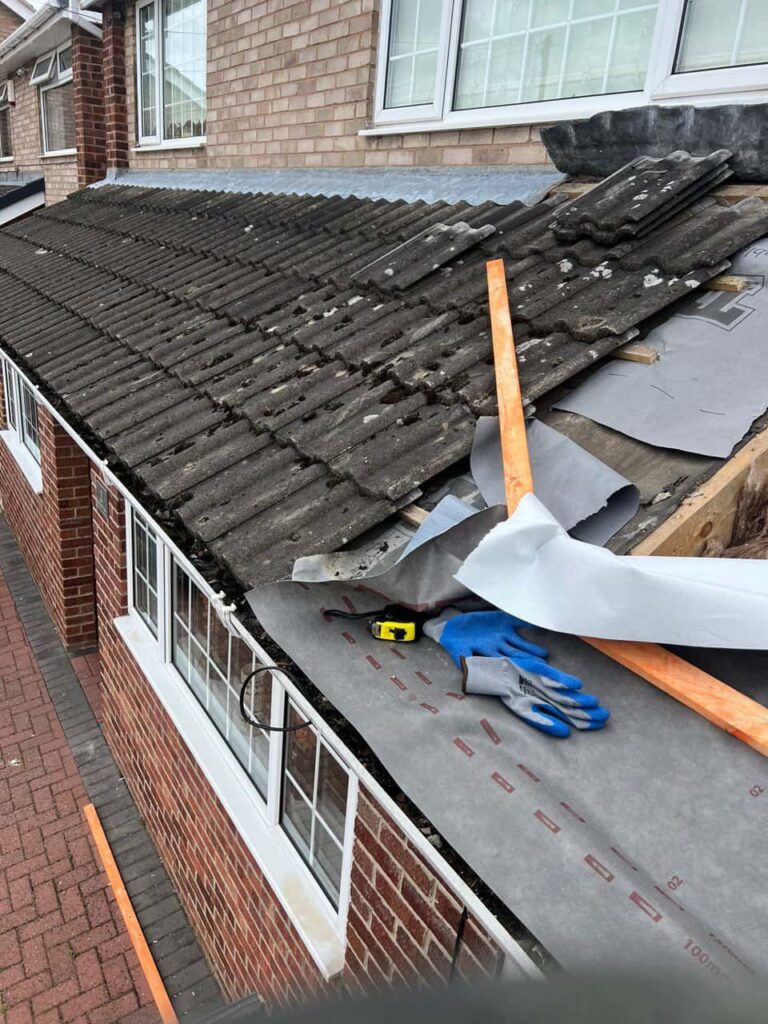
Storm season can place significant pressure on a roof, particularly when strong winds, heavy rain, and sudden temperature changes occur over a short period. While storms cannot be prevented, the impact they have on your roof can often be reduced with the right preparation. Taking proactive steps before severe weather arrives helps protect your property and minimises the risk of unexpected roofing issues.
For homeowners in Tamworth, preparing the roof ahead of storm season is a practical way to maintain its performance and reliability.
Check for Loose or Damaged Roof Tiles
One of the most common causes of storm-related roof damage is loose or displaced tiles. Even a small number of unstable tiles can allow wind-driven rain to penetrate beneath the roof covering during a storm.
A visual inspection from ground level can help identify obvious issues, but professional assessment ensures that less visible problems are not missed. Securing loose tiles before storm season helps maintain a continuous, weather-resistant surface.
Inspect Ridge Tiles and Roof Edges
Ridge tiles and roof edges are particularly exposed during high winds. Mortar bedding can weaken over time, increasing the likelihood of movement or failure when storms arrive.
Ensuring that ridge tiles are firmly secured and roof edges are intact reduces vulnerability during severe weather and helps prevent water ingress at key junctions.
Clear Gutters and Drainage Systems
Effective drainage is essential during periods of heavy rainfall. Gutters and downpipes blocked with leaves or debris can cause water to overflow onto roof edges and walls, increasing moisture exposure.
Clearing drainage systems before storm season allows rainwater to flow away from the roof efficiently, reducing unnecessary strain on roofing materials.
Check Flashing and Roof Junctions
Lead flashing and other weatherproofing materials protect vulnerable roof junctions, such as around chimneys and where roof sections meet walls. Over time, flashing can loosen or deteriorate.
Ensuring flashing is secure and properly sealed helps prevent water being driven into the roof structure during storms, even when rainfall is intense.
Look for Signs of Wear or Ageing
Storms tend to expose existing weaknesses rather than create entirely new ones. Cracked tiles, worn underlay, or ageing materials may cope in calm weather but fail under storm conditions.
Identifying and addressing these issues in advance helps strengthen the roof’s overall resilience and reduces the likelihood of emergency repairs.
Schedule a Professional Roof Inspection
While basic checks can be carried out by homeowners, a professional roof inspection provides a more thorough assessment. Experienced roofers understand where storm-related damage is most likely to occur and can identify early signs of deterioration.
Tamworth Roofing Repairs provides professional roof inspections and repair services for properties throughout Tamworth, Staffordshire. Careful preparation ensures roofs are better equipped to withstand storm conditions and continue performing effectively.
Conclusion
Preparing your roof for storm season involves securing loose components, maintaining effective drainage, and addressing signs of wear before severe weather arrives. These proactive measures help reduce the risk of storm-related damage and protect the roof’s ability to perform under pressure.
For homeowners in Tamworth, professional inspection and timely roof maintenance offer reassurance that the roof is ready for the challenges of storm season. Taking action early helps safeguard the property and maintain long-term roof reliability with confidence.
Call us on: 01827 949 591
Click here to find out more about Tamworth Roofing Repairs
Click here to complete our contact form and see how we can help with your roofing needs.