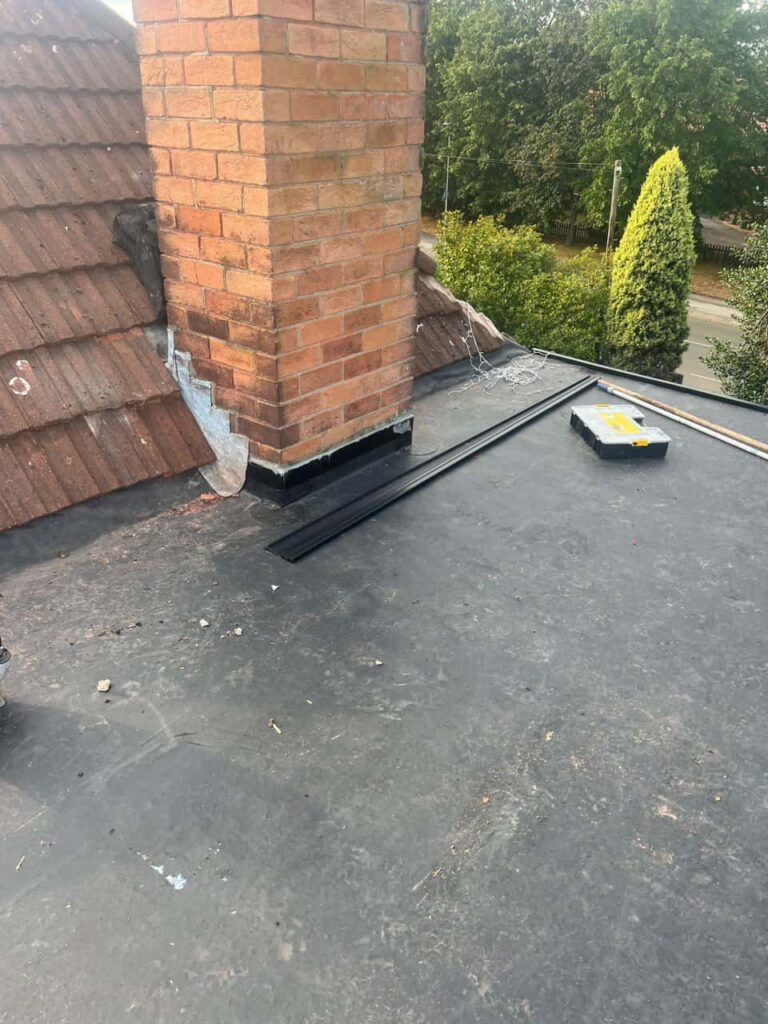
Severe storms can put considerable strain on a roof, loosening tiles, damaging flashing and dislodging components that protect your home from rain. Some problems are immediately visible, while others remain hidden until water begins entering the property. Checking for signs of wind damage after a storm can help you identify potential issues early and arrange repairs before they become more serious.
For homeowners in Tamworth, Staffordshire, knowing what to look for after strong winds can help protect the roof and the structure beneath it. Tamworth Roofing Repairs provides roofing repair services to help identify storm-related damage and restore the condition of affected roofs.
Why Is It Important to Check Your Roof After a Storm?
Wind can lift roof coverings, loosen fixings and force rain into vulnerable joints. Even when the roof appears intact from the ground, damaged components may allow moisture to enter during subsequent rainfall.
Early checks can help identify defects before they lead to damp ceilings, damaged insulation or deteriorating roof timbers. However, safety should always come first. Never climb onto a roof or use a ladder in windy, wet or otherwise unsafe conditions. A professional inspection is the safest option when damage is suspected.
Signs of Wind Damage to Look For
1. Missing, Cracked or Displaced Roof Tiles
Roof tiles and slates can become loose or dislodged when exposed to strong gusts. Look from ground level for visible gaps, uneven rows, broken pieces or tiles that appear to have slipped out of position.
Missing tiles leave the underlying roof structure more exposed to rain, increasing the likelihood of leaks. Even a small damaged section should be assessed, as water can enter through gaps that may not be obvious from inside the property.
2. Damaged Ridge Tiles and Roof Edges
Ridge tiles run along the highest point of a pitched roof, while the edges and verges help protect vulnerable sections. Strong winds can loosen these components, particularly if the mortar or fixings have deteriorated over time.
Look for uneven ridge lines, displaced tiles or pieces of material on the ground around the property. Do not attempt to reposition loose components yourself, as they may fall unexpectedly.
3. Loose or Damaged Roof Flashing
Flashing seals joints around features such as chimneys and points where the roof meets a wall. Severe winds may loosen flashing or worsen existing deterioration, allowing rainwater to penetrate the roof.
From a safe position, look for metal sections that appear lifted, bent or out of place. Damage in these areas can be difficult to identify accurately from the ground, so a professional roof inspection may be necessary.
4. Gutters and Downpipes Out of Position
Gutters and downpipes help carry rainwater away from the building. Strong winds can loosen brackets, pull sections away from the fascia or leave gutters sagging.
Check for visible gaps between the guttering and the roof edge, detached sections or debris that may have fallen during the storm. Damaged guttering can cause water to overflow and collect near external walls, potentially contributing to damp problems.
5. Fallen Debris Around the Property
After a storm, look around the garden, driveway and other accessible areas for broken tiles, slate fragments, roofing felt or pieces of timber. These materials may indicate damage higher up the roof.
However, not all roof damage produces visible debris. A roof may have loose or cracked components without anything falling to the ground, so the absence of debris does not guarantee that the roof is undamaged.
6. New Damp Patches or Water Stains Indoors
Wind-driven rain can enter through damaged roof coverings, flashing or other vulnerable joints. Once conditions settle, check ceilings and upper-floor walls for new brown marks, peeling paint, damp patches or dripping water.
If you can safely access the loft, look for damp insulation or visible water staining without touching damaged materials or entering an unsafe space. Remember that water may travel along roof timbers before becoming visible indoors, meaning the source could be some distance from the stain.
How to Carry Out a Safe Post-Storm Roof Check
A basic visual inspection can help you decide whether professional attention is needed.
- Wait until the storm has passed and conditions are safe.
- Inspect the roof from the ground using natural light and, if necessary, binoculars.
- Check accessible areas around the property for fallen roofing materials.
- Look for new damp patches inside the home, particularly on upper-floor ceilings.
- Take photographs of visible damage from a safe position.
- Arrange a professional inspection if you notice displaced tiles, damaged flashing or signs of water ingress.
Avoid walking on the roof, climbing ladders to inspect high areas or attempting temporary repairs in unsafe conditions. If water is entering near electrical fittings, keep clear of the affected area and seek appropriate assistance.
Why Prompt Roof Repairs Matter After Wind Damage
Leaving storm damage unattended can expose the roof to further deterioration. Rainwater may enter through small gaps, while loose tiles or flashing can become more unstable during subsequent periods of bad weather.
Prompt repairs help address the source of the problem rather than simply treating the symptoms inside the property. The appropriate work will depend on the roof type, the extent of the damage and the condition of the surrounding materials.
A professional assessment can distinguish between isolated defects that need localised repairs and more extensive damage requiring additional attention.
Professional Storm Damage Roof Repairs in Tamworth
After severe weather, it is not always easy to determine whether a roof remains secure. Tamworth Roofing Repairs can help homeowners in Tamworth, Staffordshire, identify wind-related roofing problems and establish suitable repair options.
Whether you have noticed missing tiles, loose flashing, damaged ridge sections or signs of a leak, arranging a professional assessment can help you understand the condition of your roof and the work required to protect your home.
Conclusion
Checking your roof after a severe storm can help identify missing tiles, damaged flashing, loose guttering and early signs of water ingress. While a ground-level inspection is useful, some defects require a closer professional assessment to establish their extent and prevent further problems.
If you suspect your roof has suffered wind damage, contact Tamworth Roofing Repairs to discuss your concerns and arrange an inspection. Addressing storm-related defects promptly can help maintain your roof’s condition and protect your property from further water damage.
Call us on: 01827 949 591
Click here to find out more about Tamworth Roofing Repairs
Click here to complete our contact form and see how we can help with your roofing needs.